Religion in Albania: Is It a Muslim Country, and How Do Its Faiths Get Along?
About half of Albania's population are Muslims and Bektashis, but there is no state religion, and Christmas, Easter and Eid are all public holidays. The 2023 census figures, history and tips for visitors.
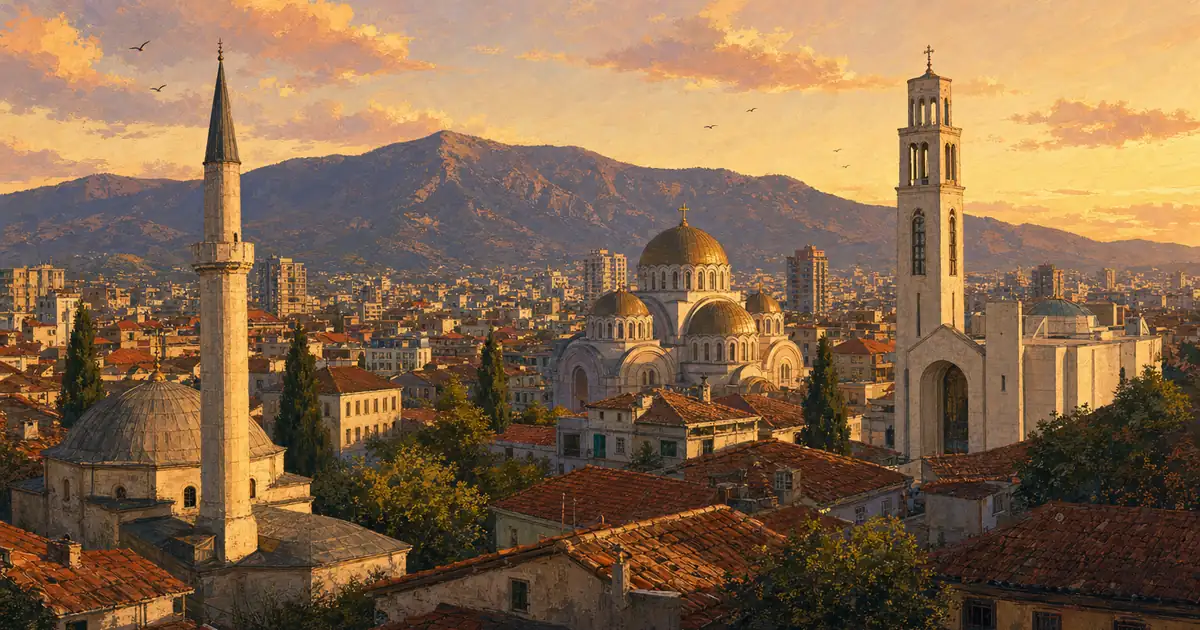
There is no state religion in Albania, and about half the population is Muslim. In the 2023 census, 45.9% of residents described themselves as Muslims and a further 4.8% as Bektashis. Catholics make up 8.4% and Orthodox Christians 7.2%, while 15.8% did not answer the question on religion. Yet Christmas, Easter and Eid (Bajram in Albanian) have the same status in Albania: all of them are public holidays.
Read on for the census figures, who the Bektashis are, how the communists banned religion and how it came back, why Albania's faiths get along, and what visitors should know.
Is Albania a Muslim country?
Yes and no. Albania has more Muslims than followers of any other faith: together with the Bektashis, they make up about half the population. But Article 10 of the Constitution states plainly that Albania has no official religion and that the state is neutral in matters of faith. Albania's membership of the Organisation of Islamic Cooperation (since 1992) does not change this. Neighbouring Kosovo is a different story: 93.5% of its population is Muslim (2024 census).
Besides, for many Albanians faith is a family tradition rather than a strict practice. In a 2018 survey, fewer than 10% of respondents regularly observed all the rites of their religion.
The 2023 census in figures
| Religion | People | Share |
|---|---|---|
| Muslims | 1,101,718 | 45.9% |
| Bektashis | 115,644 | 4.8% |
| Catholics | 201,530 | 8.4% |
| Orthodox | 173,645 | 7.2% |
| Evangelicals | 9,658 | 0.4% |
| Other | 3,670 | 0.2% |
| Believers without a denomination | 332,155 | 13.8% |
| Atheists | 85,311 | 3.6% |
| No answer or no data | 378,782 | 15.8% |
The religion question in the census was voluntary: people did not have to answer it. Christians (Catholics, Orthodox and Evangelicals) together account for about 16%. Compared with the 2011 census, the share of Muslims has fallen (it was 56.7% then) and the share of atheists has risen (from 2.5%). Comparisons should be made with care, though: in 2011 the question was also optional, and many people did not answer it. The Orthodox Church believes there are actually more Orthodox Christians than the census shows.
Sunni Muslims
Islam came to Albania with the Ottomans and spread from the 15th to the 18th century. Most Albanian Muslims are Sunnis, and they are organised in the Muslim Community of Albania (Komuniteti Mysliman i Shqipërisë).
The symbol of Islam in Tirana is the Et'hem Bey Mosque on Skanderbeg Square, built at the turn of the 18th and 19th centuries. And in October 2024 the Namazgah Mosque (Great Mosque of Tirana) opened in the city: it holds about 10,000 people and is considered the largest in the Balkans.
The Bektashis: Albanian Sufism
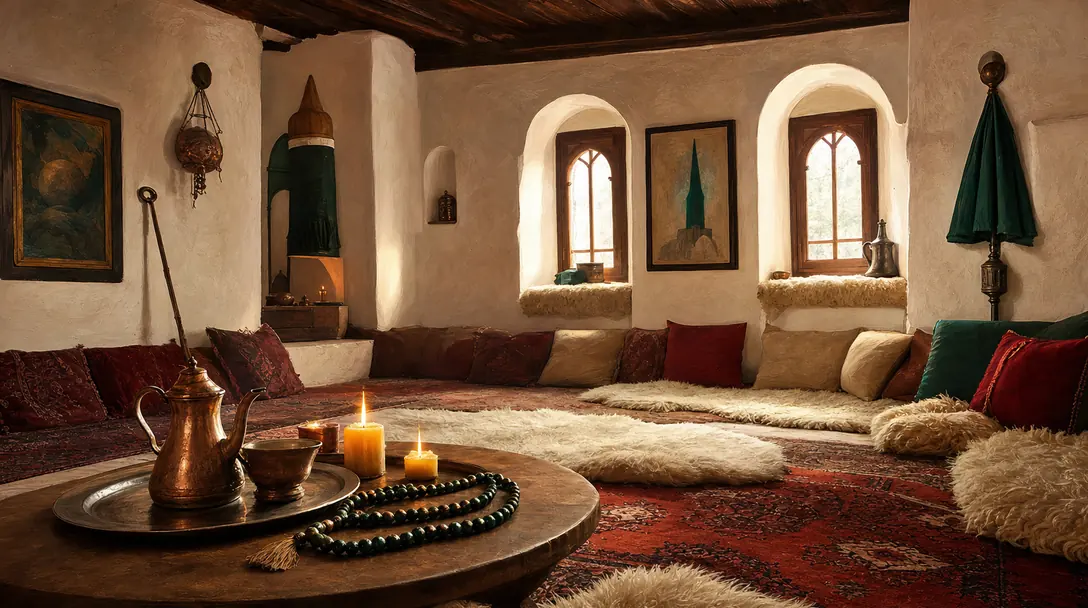
The Bektashis are a Sufi order within Islam with Shia features. They particularly revere Imam Ali and the Twelve Imams, and they take a more relaxed approach to ritual than Sunnis. The order's current head, Baba Mondi, joked in an interview that for Bektashis raki is “like mother's milk”. In Albania the Bektashis form a separate community with their own agreement with the state.
The order's world headquarters is in Tirana. When Turkey closed the dervish lodges in 1925, the order's leadership moved to Albania, and since 1930 Tirana has been the world capital of the Bektashis. The main Bektashi festival is Sultan Nevruz on 22 March, which marks the birthday of Imam Ali and the start of spring. In Albania it is a public holiday.
Orthodox Christians
Orthodox Christians live mainly in the south of the country. The Albanian Orthodox Church is autocephalous, meaning self-governing: it proclaimed its independence at the Congress of Berat in 1922, and the Patriarchate of Constantinople recognised it in 1937.
After the fall of communism, the Church had to be rebuilt from scratch. This was the work of Archbishop Anastasios, who led it from 1992 until his death in January 2025. Since March 2025 it has been headed by Archbishop Joan. The country's main Orthodox church is the Resurrection Cathedral in Tirana, opened in 2012.
Catholics and Mother Teresa
Catholics live mainly in the north-west. The centre of Albanian Catholicism is Shkodër, and the highest proportion of Catholics is in mountainous Mirditë. It was in Shkodër, on 4 November 1990, that Father Simon Jubani celebrated the first public Mass after 23 years of prohibition.
The best-known Catholic of Albanian origin in the world is Mother Teresa (Anjezë Gonxhe Bojaxhiu): she was born in Skopje in 1910 to an Albanian family and was canonised in 2016. Tirana's airport bears her name, and 5 September, Mother Teresa Day, is a public holiday in Albania. In 2014 Pope Francis visited Tirana: it was his first visit to a European country other than Italy.
How the communists banned religion
On 6 February 1967 Enver Hoxha called for a struggle against “backward customs and religious prejudices”. Within a few months, 2,169 mosques, churches, tekkes and monasteries had been closed, destroyed or turned into warehouses and cultural centres. In 1967 Albania declared itself the world's first atheist state, and the 1976 Constitution laid down that the state recognised no religion and supported atheist propaganda. Many priests and imams were shot or imprisoned.
The ban lasted 23 years. In May 1990 the penalty for “religious propaganda” was removed from the Criminal Code. On 4 November 1990 the first public Mass was held in Shkodër, on 16 November the Lead Mosque reopened in the same city, and in December the ban on religious services was officially lifted. On 18 January 1991 thousands of people came to pray at the Et'hem Bey Mosque in Tirana without the authorities' permission. You can read how Hoxha's regime built the “first atheist state” in our article on communist Albania.
Why Albania's faiths get along
Albanians like to quote a line by the poet Pashko Vasa (Vaso Pasha) from his poem “O Albania” (around 1880): Feja e shqiptarit është shqiptaria, “The religion of Albanians is Albanianism”. Vasa himself was a Catholic, and the line was a call for Albanians of different faiths to unite. Later Hoxha's regime adopted the same idea for its anti-religious campaign.
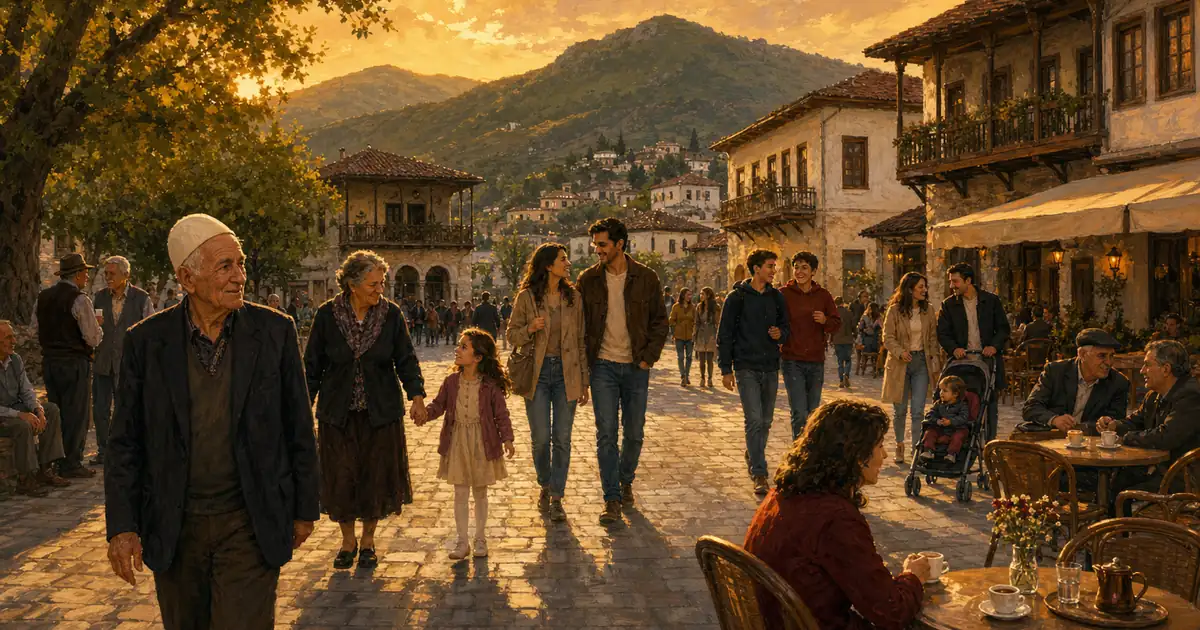
In everyday life it looks like this: mixed marriages are common, neighbours often wish each other well on the holidays of the other faith, and in a 2018 survey 92% of Albanians called religious tolerance a fundamental value. Since 2007 the heads of the religious communities have worked together in the Interreligious Council of Albania.
Holidays of every faith are public holidays
Under Albania's law on public holidays, the following are days off:
22 March: Nevruz (Sultan Nevruz for the Bektashis);
Catholic Easter and Orthodox Easter;
Eid al-Fitr (Bajrami i Madh) and Eid al-Adha (Kurban Bajrami);
5 September: Mother Teresa Day;
25 December: Christmas (Krishtlindjet).
The dates of Easter and of both Eids change every year. If a holiday falls on a weekend, the following Monday is a day off.
What visitors should know
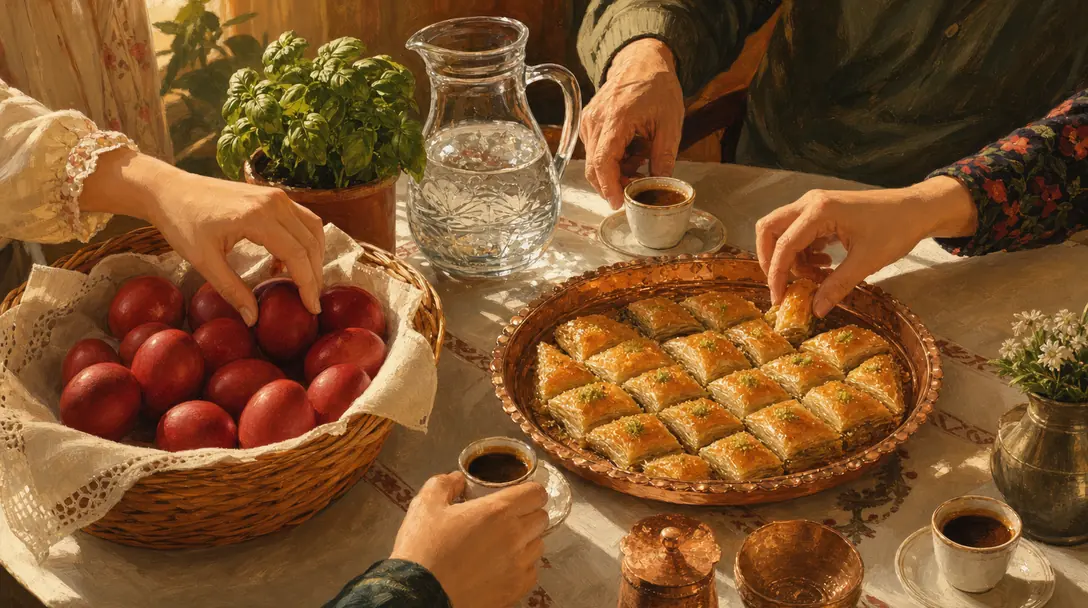
Shoes come off in mosques and tekkes, and women cover their heads. In any place of worship it is best to cover your shoulders and knees. In churches you keep your shoes on.
Take photos during services only with permission.
Life hardly changes during Ramadan: cafés and restaurants are open as usual, and alcohol is sold freely.
A single walk around central Tirana takes in the Et'hem Bey Mosque, the Orthodox Resurrection Cathedral and the Catholic St Paul's Cathedral (2002). The Bektashi world headquarters is on the eastern edge of the city.
Frequently asked questions
What religion is Albania?
There is no state religion. In the 2023 census, 45.9% of residents described themselves as Muslims, 4.8% as Bektashis, 8.4% as Catholics, 7.2% as Orthodox, 13.8% as believers without a denomination and 3.6% as atheists; for 15.8% there is no answer: some declined to respond, and for others there is no data.
Is Albania a Muslim country?
Muslims, together with Bektashis, make up about half the population, more than followers of any other faith. But under the Constitution there is no official religion and the state is neutral, while Christmas and Easter are public holidays just like Eid.
Who are the Bektashis?
A Sufi order within Islam with Shia features. Its world headquarters has been in Tirana since 1930. The main Bektashi festival is Sultan Nevruz on 22 March.
Was religion banned in Albania?
Yes. From 1967 to 1990 the communist regime banned all religion: places of worship were closed or destroyed, and the 1976 Constitution made atheist propaganda the business of the state. Freedom of religion returned in 1990.
Where do Orthodox Christians and Catholics live in Albania?
Orthodox Christians live mainly in the south, Catholics in the north-west, in Shkodër and Mirditë. Muslims live all over the country.
Do visitors need to cover their heads and shoulders?
Not in the street: Albania has no special dress code. You take your shoes off in mosques and tekkes, women cover their heads, and it is best to cover your shoulders and knees in any place of worship.
Sources
- INSTAT: Census of Population and Housing 2023
- Kushtetuta e Republikës së Shqipërisë
- Wikipedia: Religion in Albania
- Wikipedia: World Headquarters of the Bektashi
- Wikipedia: Congress of Berat
- Vatican: Canonization of Mother Teresa (2016)
- Library of Congress Country Studies: Albania — religion
- UNDP / IDM: Religious tolerance in Albania (2018)
- Yad Vashem: BESA — a code of honor
- Wikipedia: O moj Shqypni
- Wikipedia: Namazgah Mosque